Africansasaeng
Africansasaeng
(In Honor of International Women’s Month)
When we talk about K-dramas, we often spotlight actors, iconic scenes, and unforgettable OSTs. But behind every emotionally wrecking finale or slow-burn romance is a director quietly orchestrating magic. And increasingly, women directors in K-dramas are stepping into that role and reshaping storytelling in powerful ways.
This list of K-dramas directed by women is not just a celebration, it’s a reminder. A reminder that perspective matters. That who sits behind the camera can completely change how stories feel, breathe, and stay with us long after the credits roll.
So if you’re looking to explore K-dramas directed by female directors, here are some standout series that deserve your watchlist.
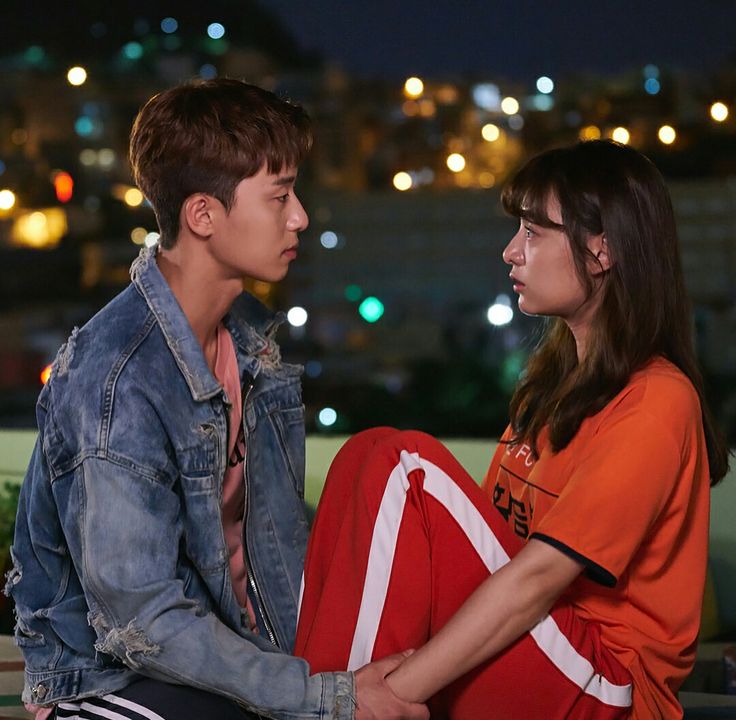
Director: Lee Na-jeong
Synopsis:
This slice-of-life drama follows four friends navigating adulthood, chasing dreams that seem just out of reach. From career struggles to long-term friendships and love, it captures the reality of growing up without sugarcoating it.
Why it stands out:
Lee Na-jeong brings a grounded, almost intimate lens to the story, making every small victory feel monumental.
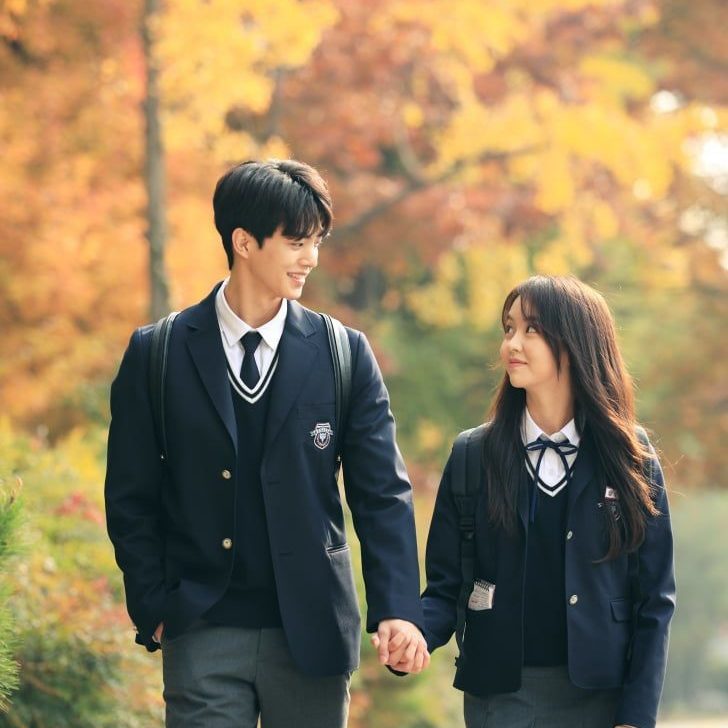
Director: Lee Na-jeong
Synopsis:
Set in a world where an app can detect romantic feelings within a 10-meter radius, Love Alarm explores how technology disrupts relationships and emotional honesty.
Why it stands out:
Lee Na-jeong returns here with a softer, more introspective tone, letting emotions simmer instead of explode.
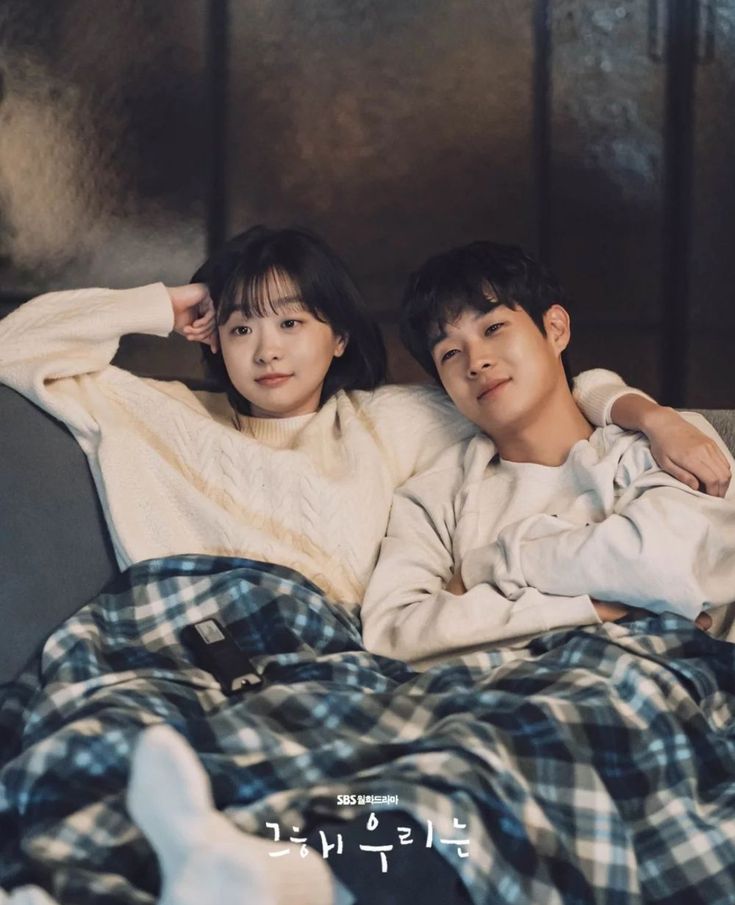
Director: Kim Yoon-jin
Synopsis:
Years after filming a high school documentary together, two ex-lovers are forced back into each other’s lives when the video suddenly goes viral.
Why it stands out:
Kim Yoon-jin crafts this drama like a memory you revisit on a quiet evening, soft, reflective, and quietly heartbreaking.

Director: Kim Ga-ram
Synopsis:
A university art student who no longer believes in love gets entangled with a charming man who avoids commitment. What follows is a messy, addictive exploration of modern relationships.
Why it stands out:
Kim Ga-ram leans into the discomfort of love, refusing to give us easy answers, and that’s exactly what makes it compelling.
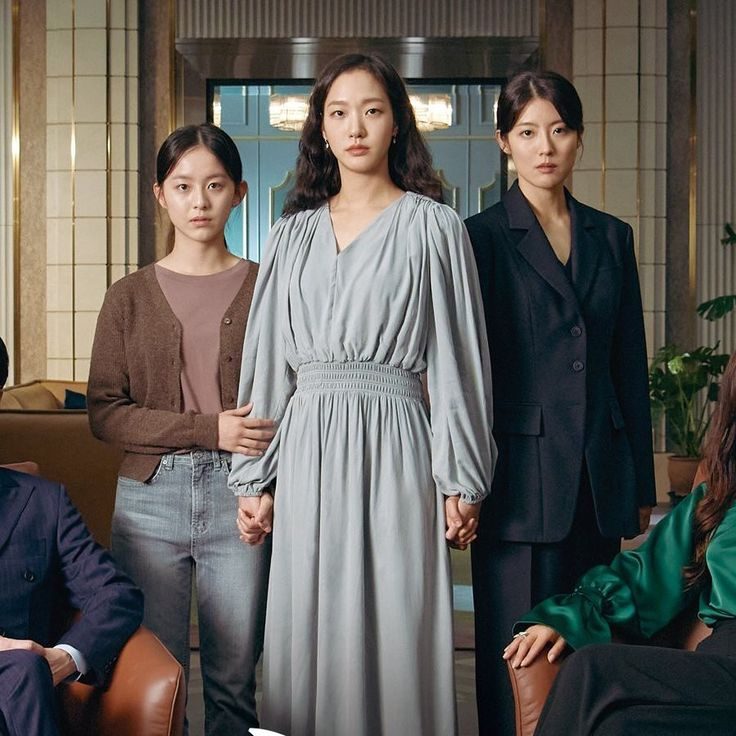
Director: Kim Hee-won
Synopsis:
This gripping drama follows three sisters from a poor background who become entangled in a powerful family’s web of money, politics, and secrets. As they chase independence, they uncover a conspiracy far bigger than they imagined.
Why it stands out:
Kim Hee-won delivers a story that feels both intimate and explosive, blending personal struggles with larger societal commentary in a way that keeps you hooked.
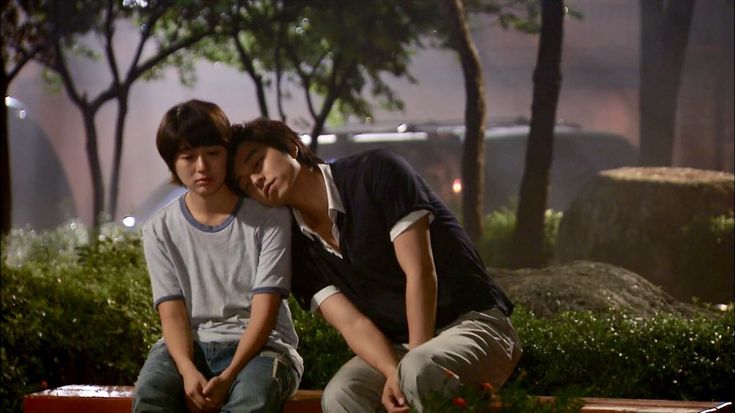
Director: Lee Yoon-jung
Synopsis:
A tomboyish woman disguises herself as a man to land a job at a café that only hires male employees. Things get complicated when her boss begins to develop feelings for her, unaware of her true identity.
Why it stands out:
Lee Yoon-jung’s direction gives Coffee Prince its warmth and authenticity, making it one of the earliest K-dramas to challenge traditional gender norms while still delivering a deeply heartfelt love story.
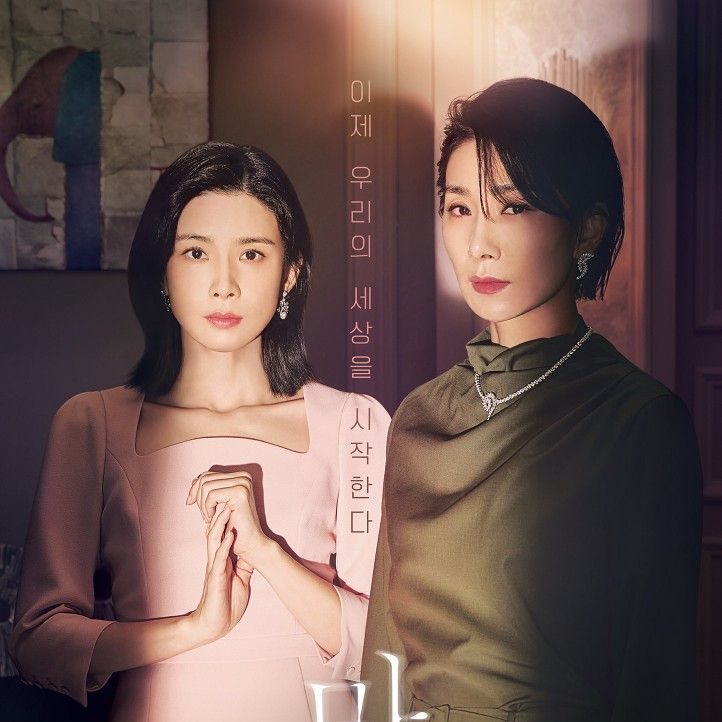
Director: Lee Na-jeong
Synopsis:
Set in the world of South Korea’s elite, Mine follows two women married into a powerful chaebol family as they navigate secrets, societal expectations, and their fight to reclaim their true selves.
Why it stands out:
Lee Na-jeong brings a refined yet piercing perspective, crafting a drama where women are not just surviving within power structures, but actively redefining them.
There’s no single way women direct, but patterns begin to emerge when you look closely.
1. Emotional Depth Over Spectacle
These dramas often prioritize internal conflict over grand external drama. Feelings are not rushed, they unfold slowly, like pages turning in a well-loved book.
2. Complex Female Characters
Female leads are not just “strong” for the sake of it. They’re layered, flawed, evolving. They make mistakes, and that’s where the magic lies.
3. Subtle Storytelling
Instead of loud plot twists, there’s a focus on nuance, lingering glances, unfinished conversations, and quiet heartbreak.
4. Realistic Relationships
Love isn’t always perfect or destined. It’s messy, confusing, sometimes unresolved, and that honesty hits differently.
In a landscape where K-dramas are becoming more global than ever, these directors are quietly redefining what stories look like and how they’re told.
Exploring K-dramas directed by women feels like discovering a different rhythm within the same world. The stories may still be about love, growth, and life, but the way they’re told carries a distinct emotional fingerprint.
As more women step behind the camera, we can expect even richer, more diverse storytelling that reflects experiences we don’t always see on screen.
So next time you pick a drama, maybe look beyond the cast. Check who directed it. You might just find your next favorite story waiting there.
0
Reviews, Recaps & Recommendations